Home Destinations Packages Accommodations Journal About Plan Your Journey
Northern Tanzania · UNESCO World Heritage Site

Ngorongoro
Crater

The world's largest intact volcanic caldera — a self-contained Eden where 25,000 animals live within 600-metre walls, never needing to leave. This is Africa's greatest natural arena.

Big Five
Black Rhino
Year-Round
UNESCO Heritage
260km² Crater Floor
25,000Resident Animals
600mCrater Wall Height
~26Black Rhino Left
8,292 km²Conservation Area
2,300mRim Altitude
1–2 DaysRecommended Stay
Year-RoundBest Season
3hr DriveFrom Arusha
$70 USDEntry Fee / Day
Overview

The Eighth Wonder
of the Natural World

"Surely it must be one of the most beautiful spots in the world... nothing I had seen compared to the crater." — Professor Bernhard Grzimek, 1959

The Ngorongoro Crater is widely considered one of the most extraordinary natural places on Earth — a vast, ancient volcanic caldera that has collapsed in on itself to create a self-contained wildlife paradise unlike anything else on the African continent. Designated a UNESCO World Heritage Site in 1979 and later declared a Biosphere Reserve, it is the centrepiece of the Ngorongoro Conservation Area in northern Tanzania.

What makes Ngorongoro truly singular is its completeness. The 260 km² crater floor — ringed by walls that rise 600 metres on all sides — contains a permanent resident population of approximately 25,000 large mammals. Lion, leopard, elephant, buffalo, and critically endangered black rhino all live here, year-round, in a self-sustaining ecosystem. Unlike the Serengeti's migrating herds, the animals of Ngorongoro never need to leave.

For Tanzania Bespoke Expeditions clients, descending into the crater at first light — mist rolling off the rim, a pride of lions visible on the open floor, flamingos turning Lake Magadi pink — is consistently described as one of the most powerful moments of their lives. We enter privately, we stay until the light is perfect, and we make every moment count.

Expert Insight

Vehicles must exit the crater by 6pm — so the game drive day has a natural rhythm. We always descend at 6am when the gates open, securing priority access to the floor before other vehicles arrive. The first two hours, when predators are still active and mist clings to the rim, are by far the most magical. We never rush a Ngorongoro descent.


The Caldera

A Geological
Marvel Explained

Ngorongoro is not a meteor impact crater — it is a volcanic caldera, formed approximately 2–3 million years ago when a massive volcano (estimated to have been as tall as Kilimanjaro at nearly 5,000 metres) collapsed inward after a catastrophic eruption emptied its magma chamber. What remained was a near-perfect bowl — the largest intact caldera in the world that is not filled by water.

2–3M Years Old Estimated caldera age
19km Crater Diameter Floor width
600m Wall Height Above crater floor
~5,000m Original Volcano Estimated height before collapse

The crater floor is divided between open short-grass plains, a freshwater hippo pool (Ngoitokitok Springs), the alkaline Lake Magadi which attracts thousands of lesser flamingo, patches of acacia woodland, and a large swamp — Lerai Forest — dominated by yellow fever trees and home to the largest tusker elephants in the region.

The crater sits within the larger Ngorongoro Conservation Area (NCA), which encompasses 8,292 km² of diverse landscapes including the Olmoti and Empakaai craters, the Serengeti plains in its western reaches, and the famous Olduvai Gorge — the archaeological site where the earliest evidence of human ancestors was discovered. A visit to Olduvai (now formally called Oldupai) is a natural addition to any crater itinerary.


Wildlife

25,000 Animals.
One Perfect Arena.

The density of wildlife on the Ngorongoro Crater floor is almost impossible to comprehend until you descend into it. Within the first hour, you may encounter lion resting on a kopje, elephant moving through the acacia woodland, and a black rhino grazing on the open plains — all within a few kilometres of each other. This is the closest thing Africa has to a natural zoo, except it is entirely wild and entirely free.

Black rhino Ngorongoro Crater Tanzania
Black Rhino
Approximately 26 critically endangered black rhino live on the crater floor — one of the highest densities in East Africa. A sighting here is among the most prized in all of Africa.
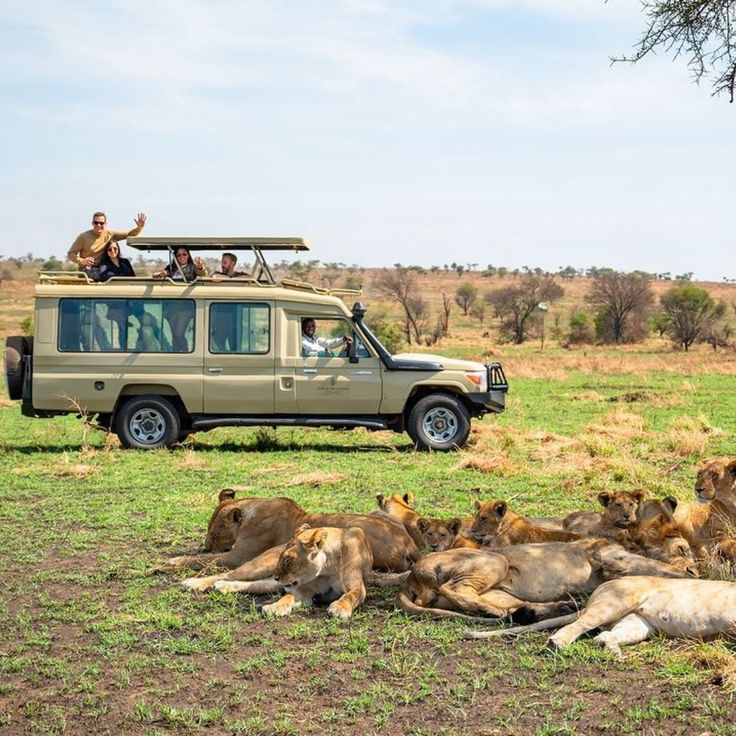
Lion pride Ngorongoro Crater floor Tanzania
Lion
Around 70 lion — from several well-studied prides — roam the crater floor. The open grassland makes them extraordinarily easy to locate and observe at length.
Elephant Ngorongoro Crater Lerai Forest Tanzania
Elephant
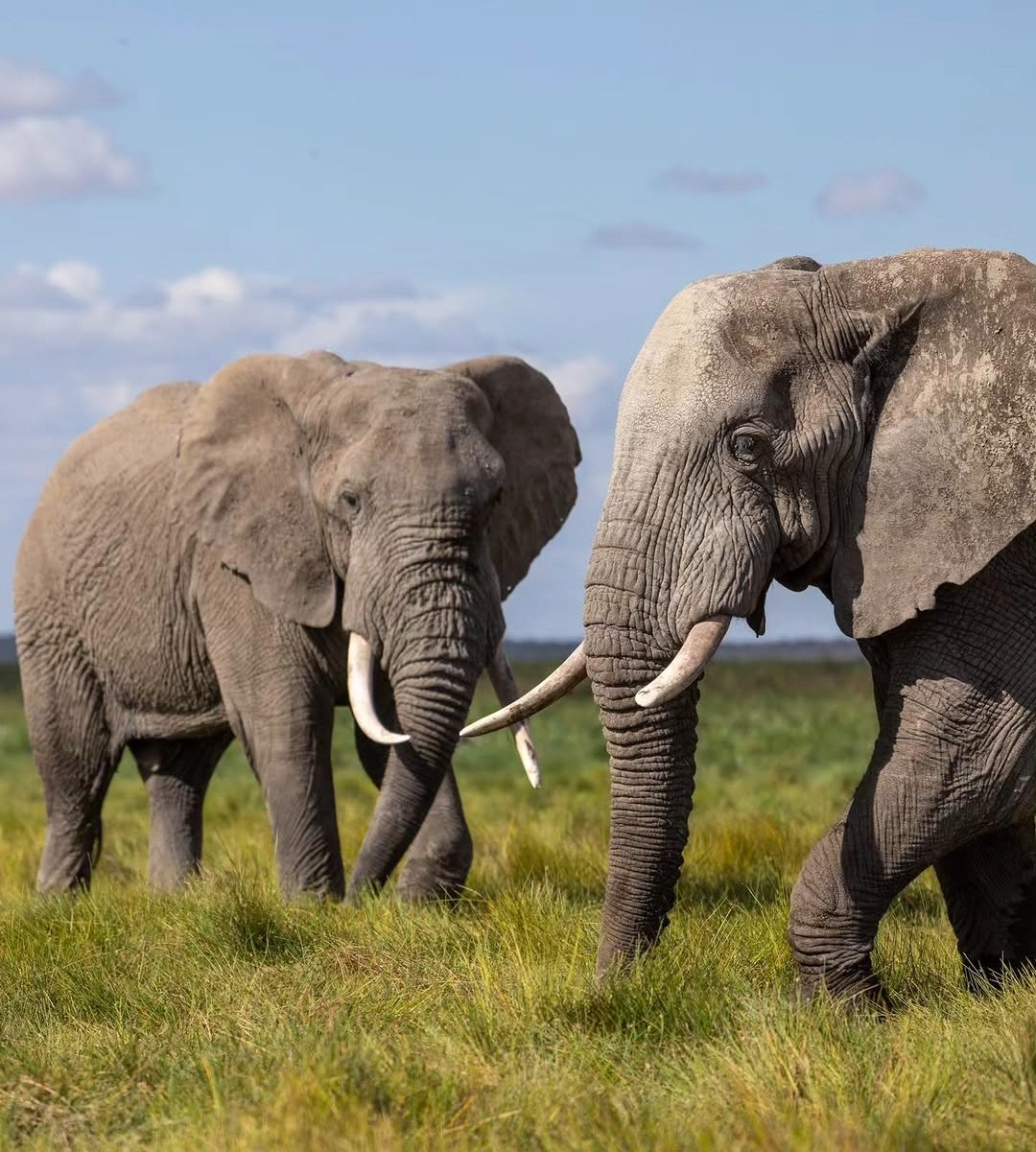
The Lerai Forest bulls are among the most tusked elephants in Tanzania — old males that descend from the rim to feed in the acacia forest. Their tusks sometimes touch the ground.
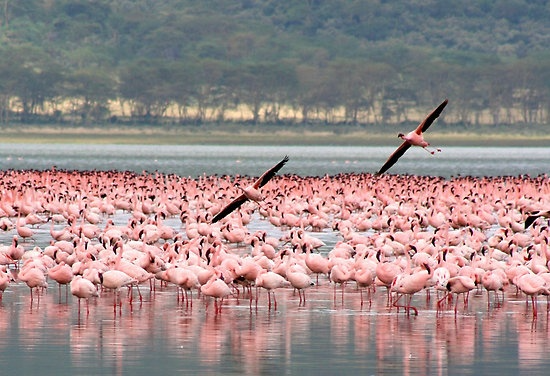
Flamingo Lake Magadi Ngorongoro Crater Tanzania
Flamingo
Lake Magadi — the shallow alkaline lake on the crater floor — hosts thousands of lesser flamingo, turning the water pink in the early morning light. A photographer's dream.
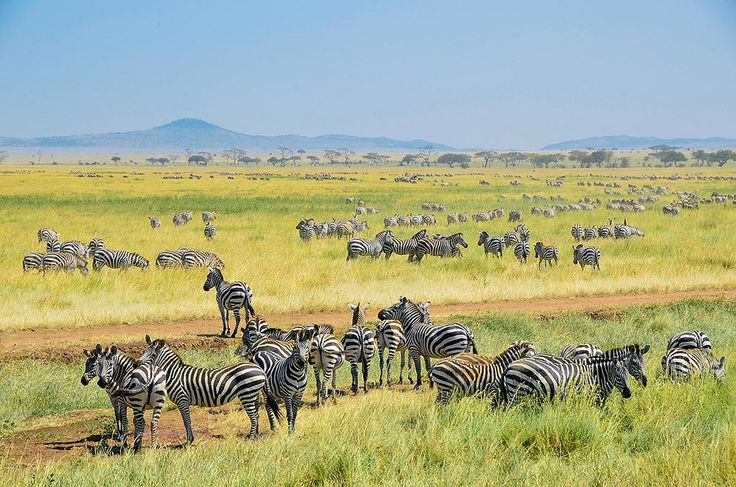
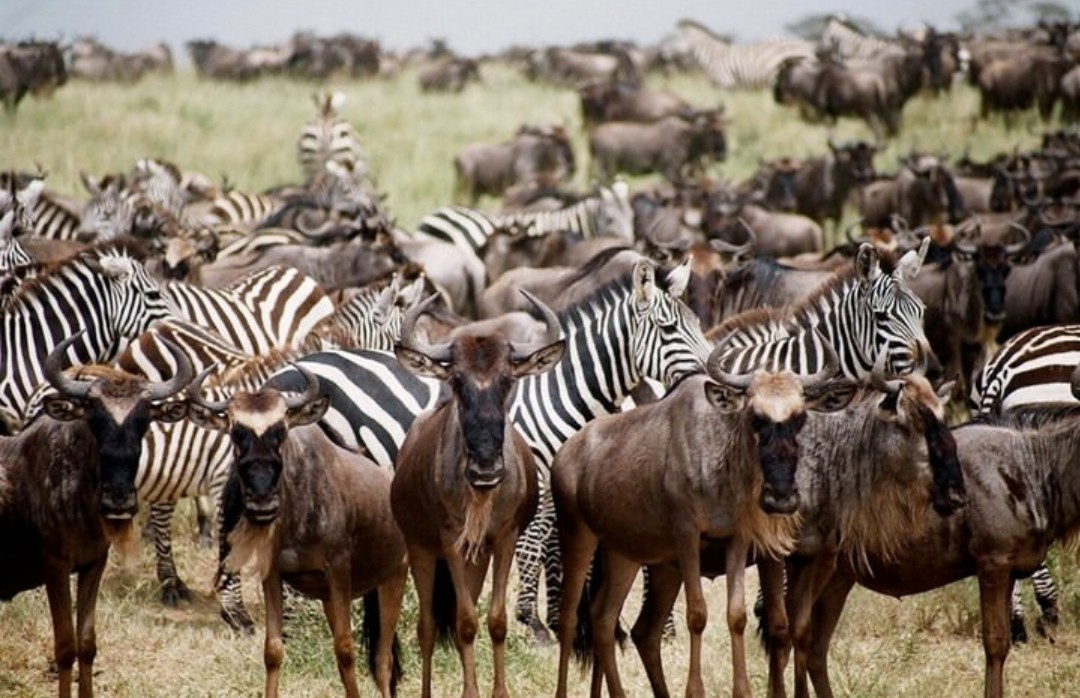
Wildebeest zebra Ngorongoro Crater floor
Wildebeest & Zebra
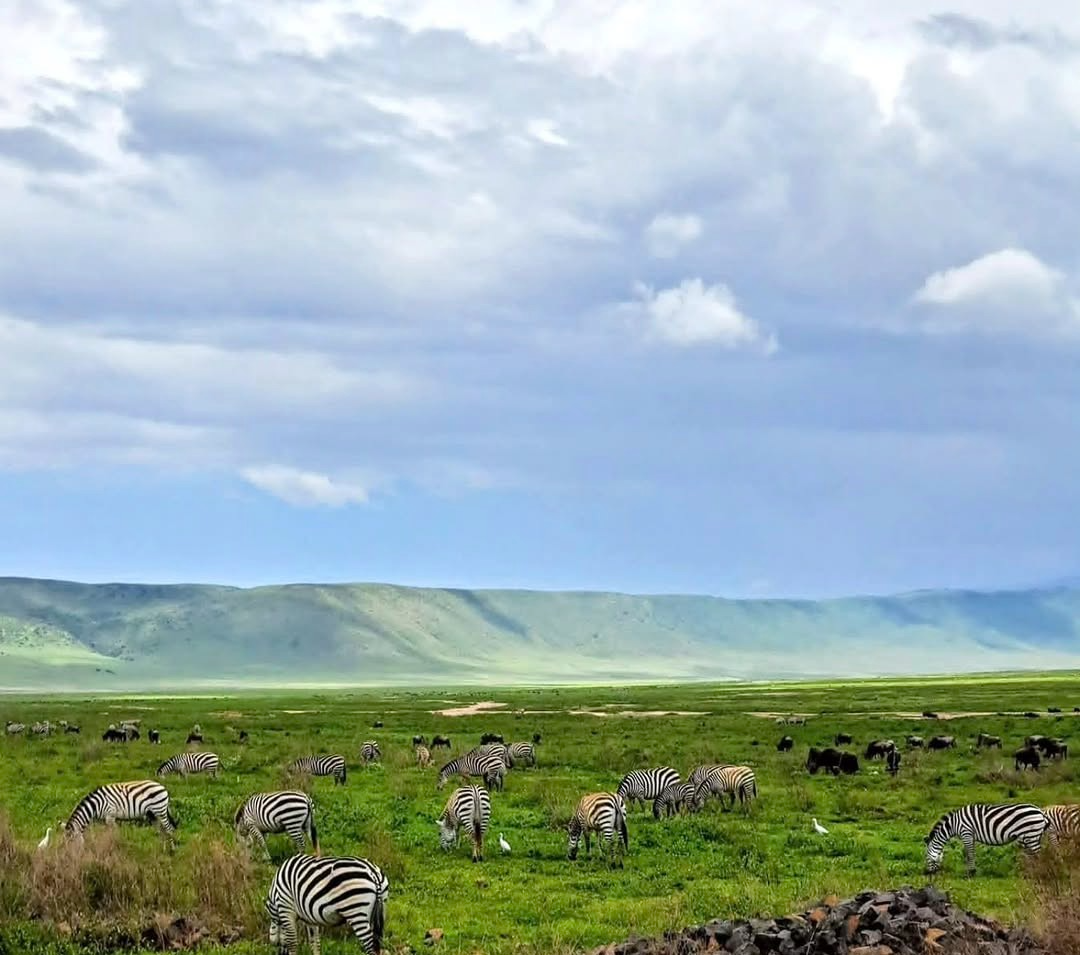
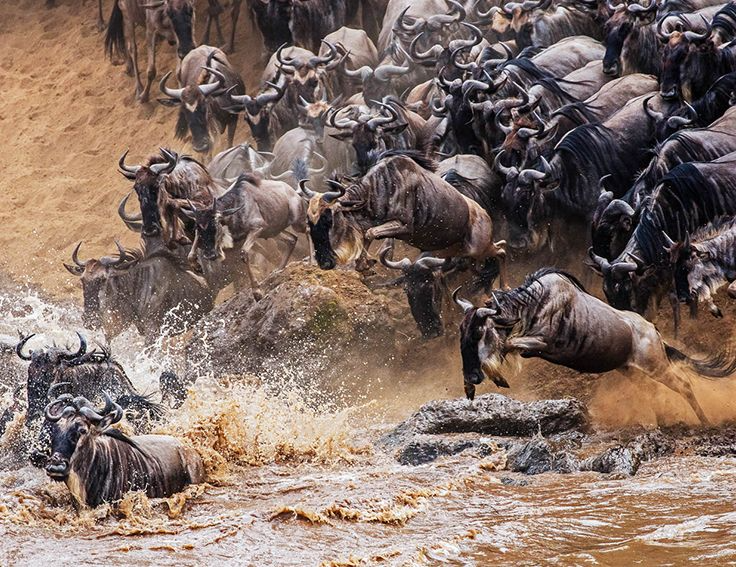
The Ngorongoro population of wildebeest (around 7,000) and zebra are resident year-round — unlike the migrating herds of the Serengeti. They live in a permanent equilibrium with their predators.
Hyena Ngorongoro Crater Tanzania
Spotted Hyena
The Ngorongoro Crater has one of the world's largest spotted hyena populations — approximately 400 individuals. Contrary to reputation, they are formidable hunters in their own right.
The Black Rhino — Africa's Rarest Sight

The black rhino population of Ngorongoro Crater — around 26 individuals — represents one of the last strongholds of this critically endangered species in East Africa. Spotting a rhino is never guaranteed, but our guides know every individual animal and their home ranges intimately. On a clear morning in the Lerai area or near Ngoitokitok Springs, the chances are better than almost anywhere else on the continent.


When to Visit

Best Time to Visit
Ngorongoro Crater

Unlike the Serengeti — where timing is dominated by the Migration — Ngorongoro is truly a year-round destination. The resident wildlife never leaves, which means extraordinary game viewing in every season. That said, each period has its own character and advantages.

Jan
Feb
Mar
Apr
May
Jun
Jul
Aug
Sep
Oct
Nov
Dec
Peak / Dry Season
Good Season
Long Rains

Jun – Oct: Dry Season Peak

The dry season is Ngorongoro at its most dramatic. The short-grass plains are golden, visibility is exceptional, and wildlife congregates around the permanent water sources — making every game drive extraordinarily productive. The crater mist often clears by mid-morning revealing sweeping views from the rim lodges.

Dec – Mar: Green Season

Short rains give way to lush greenery — the crater floor becomes a vivid patchwork of grass and wildflowers. Bird watching reaches its peak with migratory species present. Flamingo numbers on Lake Magadi are often at their highest. Fewer vehicles on the crater floor means a more private experience.

Apr – May: Long Rains

The heaviest rains of the year fall in April and May. Some roads inside the crater can become slippery, but the landscape is extraordinarily beautiful. Wildlife is abundant and spread across the lush floor. Lodge rates are at their lowest and the crater feels genuinely private — just you and the animals.

Year-Round Advantage

Because the Ngorongoro wildlife is entirely resident, there is no single "bad" month to visit. Our recommendation is always to pair the crater with the Serengeti and let the season guide which park to prioritise. The crater delivers no matter when you arrive.


Crater Floor Zones

Navigating the
Crater Floor

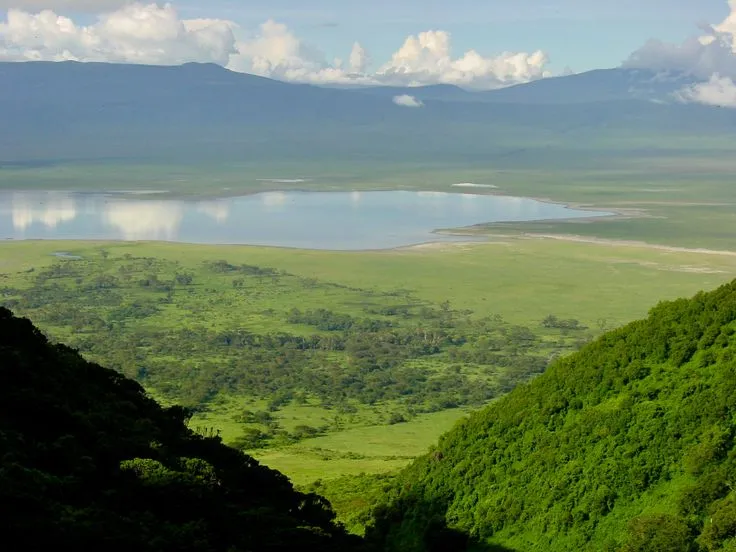
The 260 km² crater floor is divided into distinct ecological zones, each attracting different species and offering different game viewing experiences. Understanding the zones helps maximise every hour on the floor — which is why our guides plan the day's route meticulously before descending.

Zone / FeatureCharacterKey SpeciesBest Time
Open Short-Grass Plains Vast open savannah, central floor Lion, cheetah, wildebeest, zebra, hyena All day
Lake Magadi Shallow alkaline lake, south-west Flamingo, pelican, waterfowl, hippo Early morning
Lerai Forest Yellow fever acacia woodland Old bull elephants, leopard, baboon Morning / afternoon
Ngoitokitok Springs Freshwater hippo pool, picnic site Hippo, Egyptian goose, jackal, rhino nearby All day
Mandusi Swamp Papyrus swamp, north-west Hippo, buffalo, serval, waterbirds Dawn / dusk
Rhino Ridge / Lerai Area Open scrub, southern sector Black rhino — the best chance in East Africa Early morning

Ngorongoro Crater floor aerial view Tanzania
Ngorongoro Crater lion on open plains
Ngorongoro Crater elephant Lerai Forest
Ngorongoro Crater Lake Magadi flamingo
Ngorongoro Crater rim lodge sunset view

Experiences

What to Do at
Ngorongoro Crater

Crater Floor Game Drive

The centrepiece of any Ngorongoro visit — a full day on the crater floor in a private Land Cruiser, moving between zones as wildlife sightings develop. Our guides plan the route around seasonal activity, rhino locations, and predator movements for maximum impact.

Dawn Crater Descent

The gates open at 6am and we are always there first. Descending into mist-filled silence as the crater wakes is a profound experience — predators active, flamingo pink on the lake, and the rim lodges glowing gold above you. These are the hours that define a Ngorongoro visit.

Olduvai Gorge Visit

On the road between the Serengeti and the crater, Oldupai Gorge (Olduvai) is the site where Mary and Louis Leakey discovered 1.8-million-year-old Homo habilis fossils — rewriting the history of human evolution. The small on-site museum provides extraordinary context for the entire landscape you're exploring.

Maasai Village Visit

The Maasai have coexisted with the wildlife of the Ngorongoro Conservation Area for centuries — the only indigenous group permitted to live inside a UNESCO site. A private visit to a traditional Maasai boma (village) on the crater rim offers genuine cultural exchange arranged respectfully through our partnerships.

Rim Walk & Viewpoints

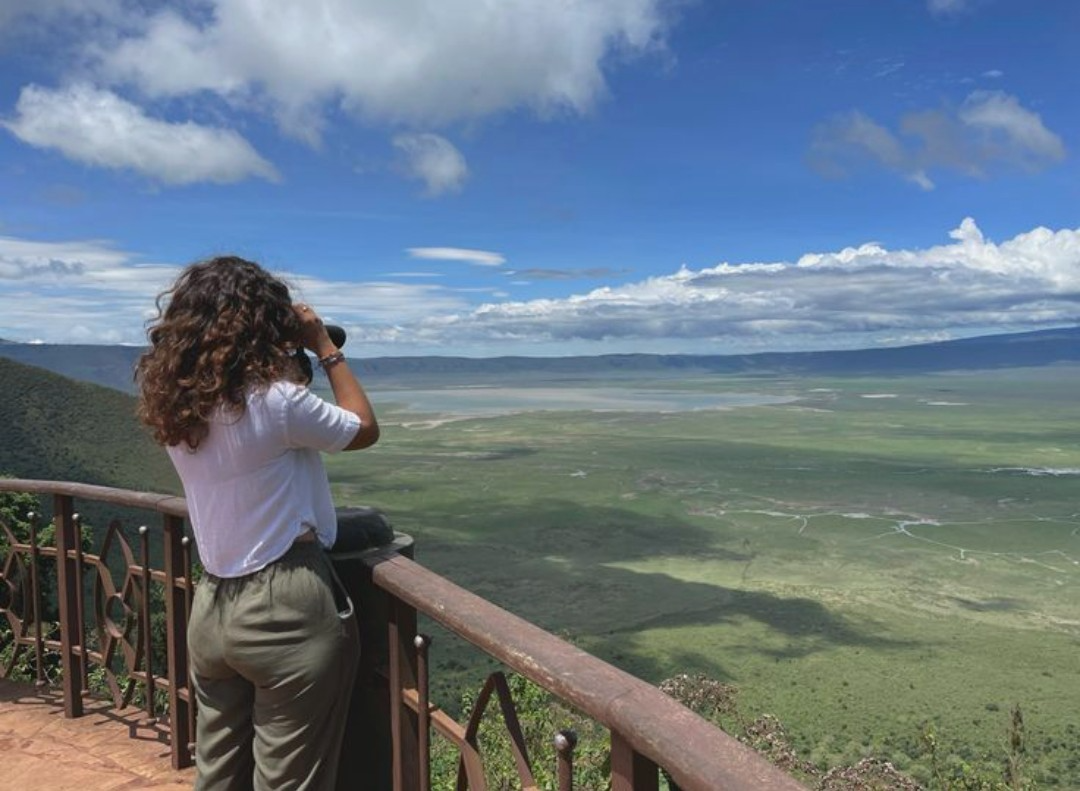
Walking the crater rim at dusk — the 600-metre walls plunging away below you, the plains turning amber, wildlife specks far below — is one of Tanzania's most humbling viewpoints. Several marked trails allow guided rim walks with spectacular vistas in every direction.

Photography Safari

The open crater floor, flat light, and extraordinary animal density make Ngorongoro one of Africa's supreme photography destinations. We provide modified vehicles, strategic positioning advice, and the time to wait for the perfect frame — whether that is a rhino silhouette at dawn or lions playing at golden hour.


Where to Stay

Rim Lodges —
Africa's Most Dramatic Views

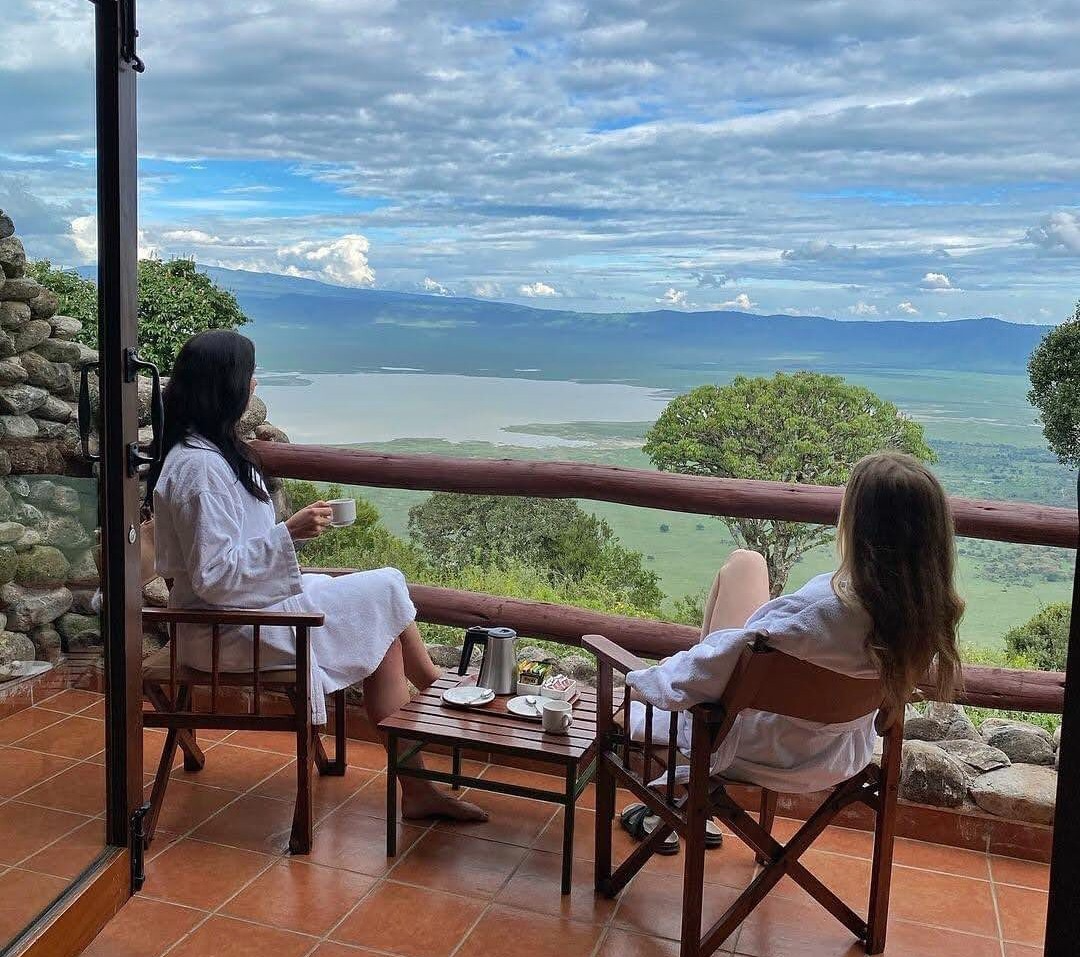
All accommodation at Ngorongoro is positioned on the crater rim — no lodges exist on the floor itself. This means waking to one of the most extraordinary views on Earth: the entire 260 km² caldera spread below you, often filled with morning mist, before you descend into it. We hold elite partnerships with the finest rim properties in the Ngorongoro Conservation Area.

andBeyond Ngorongoro Crater Lodge
Ultra Luxury · Rim
andBeyond Ngorongoro Crater Lodge
Ngorongoro Serena Safari Lodge
Luxury · Rim
Ngorongoro Serena Safari Lodge
The Highlands Ngorongoro
Ultra Luxury · Highland
The Highlands, Ngorongoro
Ngorongoro Wildlife Lodge
Classic · Rim
Ngorongoro Wildlife Lodge
Entamanu Ngorongoro Private Camp
Exclusive · Private
Entamanu Ngorongoro Private Camp
The andBeyond Crater Lodge Experience

andBeyond Ngorongoro Crater Lodge — our most requested rim property — is a masterwork of opulence perched directly on the crater rim. Banana-leaf vaulted ceilings, butler service, and floor-to-ceiling windows overlooking the caldera make it one of the most dramatic hotels in Africa. We always check availability here first for our clients.


Essential Information

Practical Guide to
Visiting Ngorongoro

Getting There

Ngorongoro Crater is approximately a 3-hour drive from Arusha via the Ngorongoro Conservation Area gate. Most visitors arrive as part of a northern circuit itinerary, having spent 1–2 nights in Tarangire or Lake Manyara first. The road to the rim offers stunning views of the Rift Valley escarpment on the approach.

There is no commercial airstrip serving the crater directly — the nearest are in the Serengeti. Private charter flights to Manyara airstrip (45 mins away) are an option for those wanting to avoid long drives.

Crater Rules

  • Vehicles must be 4WD — no exceptions
  • Descent gate opens at 6:00am
  • All vehicles must exit by 6:00pm
  • No walking or stepping outside vehicle except at designated picnic site
  • Maximum vehicle limit per day applies — book in advance
  • Littering strictly prohibited — $500 fine

What to Pack

  • Warm layers — the crater rim is at 2,300m and mornings are cold
  • Rain jacket — weather changes rapidly on the rim
  • Binoculars for scanning the open floor
  • Camera with zoom lens — distances can be great on the floor
  • Sunscreen and hat for the crater floor
  • Lunch / picnic (arranged by your lodge or by us)

Climate on the Rim

At 2,300 metres, the crater rim is significantly cooler than lower-altitude parks — especially at dawn. Temperatures range from 5–12°C at night and early morning to 20–25°C by midday. The crater floor, 600 metres below, is warmer and more humid. Always pack layers — the rim can be cold even in the dry season.


FAQ

Ngorongoro Crater
Questions Answered

Ngorongoro is exceptional year-round — the resident wildlife never migrates. The dry season (June–October) offers the best visibility, with golden short-grass plains and wildlife concentrated at water sources. December–March brings lush green scenery and superb bird watching. The long rains (April–May) are quieter and more affordable, with a beautifully green crater floor. We visit at every time of year and always leave amazed.

Yes — Ngorongoro is one of the most reliable places in Africa to see all Big Five. Lion, elephant, buffalo, and leopard are regularly seen. The black rhino (around 26 individuals) make the crater one of the best places in East Africa to see this critically endangered species. While no sighting is guaranteed, our guides know every individual rhino's range and maximise your chances considerably.

Approximately 25,000 large mammals reside permanently on the crater floor — one of the highest densities in Africa. This includes around 70 lion, 26 black rhino, hundreds of elephant (especially large-tusked bulls in Lerai Forest), 7,000+ wildebeest, thousands of zebra, hippo, hyena, jackal, serval, and over 500 bird species including vast flamingo flocks on Lake Magadi.

A full crater floor game drive takes 6–8 hours — we always recommend a full day. We descend at 6am when the gates open (and predators are most active), spend the full day exploring different zones, have lunch at the picnic site near Ngoitokitok Springs, and ascend before the 6pm exit deadline. Attempting to rush the crater into a half-day visit is one of the most common regrets we hear from visitors who did so with other operators.

The Ngorongoro Crater is the single 260 km² caldera — the most-visited feature. The Ngorongoro Conservation Area (NCA) is the much larger 8,292 km² protected zone that surrounds it, encompassing the Olmoti and Empakaai craters, the Serengeti plains in its western sector, Olduvai Gorge (an extraordinary archaeological site), and the Maasai communities who call the area home. Many visitors only see the crater floor — we always try to incorporate Olduvai and a rim walk to reveal the full scale of the NCA.

Absolutely — they are complementary experiences, not interchangeable ones. The Serengeti gives you scale, open plains, and the Migration. Ngorongoro gives you intimacy, drama, and wildlife density within a single ancient bowl. The two parks are typically combined in a single northern circuit itinerary, and every Tanzania Bespoke itinerary we design includes at least one full day in the crater. Clients who skip Ngorongoro always wish they hadn't.

Ready to Go

Plan Your Perfect
Ngorongoro Safari

Tell us your dates, your group, and what moves you — our specialists will craft a tailor-made itinerary that places you on the crater floor at first light.