Small Park,
Extraordinary Diversity
Lake Manyara National Park is one of Tanzania's most rewarding and underappreciated parks — a compact 330 km² that packs an extraordinary range of habitats and wildlife into a single game drive circuit. Wedged between the dramatic escarpment of the Great Rift Valley and the vast alkaline expanse of Lake Manyara, the park transitions from dense groundwater forest at its entrance through open acacia woodland and grassland to the flamingo-filled shallows of the alkaline lake shore.
For most visitors on the northern circuit, Manyara is the opening act — the first park of the safari that immediately sets the tone with its combination of extraordinary bird life, reliable large mammal sightings, and the legendary possibility of encountering lions resting in trees. For Tanzania Bespoke Expeditions clients, we always give it the time it deserves.
Most operators give Lake Manyara a single morning transit. We prefer arriving late afternoon, staying overnight on the escarpment rim, then descending for a 6am dawn drive. The morning light on the flamingo flocks with the rift wall as a backdrop is one of the most beautiful scenes in Tanzania — and completely missed by anyone who treats Manyara as a checkpoint rather than a destination.
Four Worlds in
One Small Park
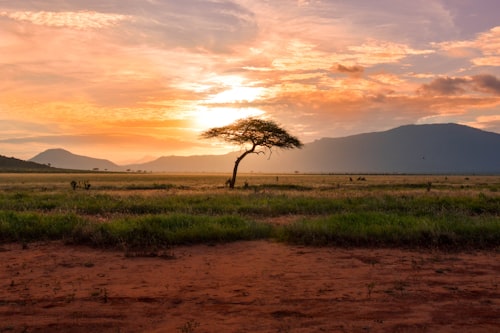
Lake Manyara's exceptional biodiversity comes from the compression of four completely different ecosystems within its compact boundary — each supporting different species and delivering a constantly shifting sequence of wildlife encounters.

Tree-Climbing Lions —
Africa's Most Unusual Behaviour
Lions in the Trees —
Why Manyara is Famous
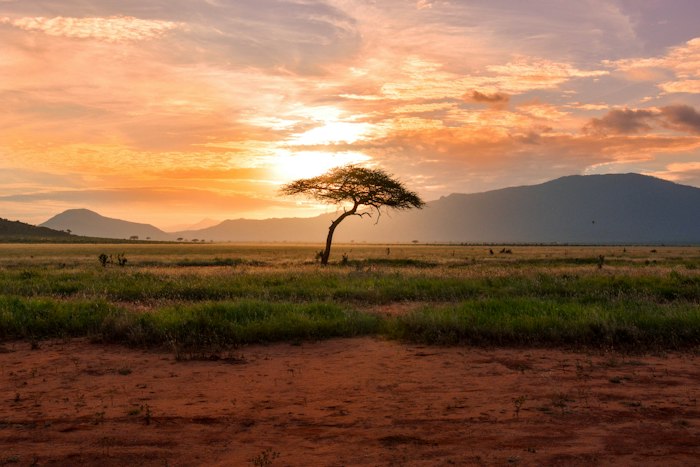
Lake Manyara is one of only a handful of places in the world where lions have been regularly observed resting in trees. This extraordinary behaviour, first documented by zoologist Hans Kruuk in the 1960s, remains only partially understood by scientists — leading theories involve escaping ground-level heat and biting flies, gaining better visibility, or learned behaviour passed within family groups.
Finding a pride draped lazily across the branches of a fig or acacia tree is one of the most astonishing wildlife encounters in Tanzania — visually breathtaking and photographically magnificent.
Tree-climbing lion sightings are not guaranteed — no wildlife encounter ever is. However Manyara is significantly more reliable than other known locations, and our guides track specific prides and their current ranging areas. We encourage clients to view a tree encounter as a wonderful possibility rather than a certainty, while remaining excited by every other extraordinary sighting the park delivers.
One of Africa's Great
Birding Destinations
Lake Manyara is consistently listed among the top birding destinations in East Africa — with over 400 recorded species in just 330 km². The combination of alkaline lake, groundwater forest, acacia woodland, and lakeshore creates microhabitats that attract an unusually diverse range.
The flamingo are Lake Manyara's most spectacular avian spectacle. Both lesser and greater flamingo congregate on the alkaline shallows in numbers reaching 75,000 individuals — their pink colouring reflected in the still water at dawn is among the most visually striking scenes in all of northern Tanzania.
Lake & Shore Species
- Lesser & greater flamingo — up to 75,000
- Great white pelican — large breeding colony
- Yellow-billed stork & saddle-billed stork
- African fish eagle — heard before seen
- Pied kingfisher — hovering over hippo pools
- Goliath heron — Africa's tallest heron
Forest & Woodland Species
- Silvery-cheeked hornbill — groundwater forest
- Von der Decken's hornbill — acacia specialist
- Lilac-breasted roller — iconic woodland bird
- Grey-headed kingfisher
- Superb starling & Hildebrandt's starling
- Martial eagle & bateleur — overhead soaring
Beyond the Lions —
The Full Wildlife Picture
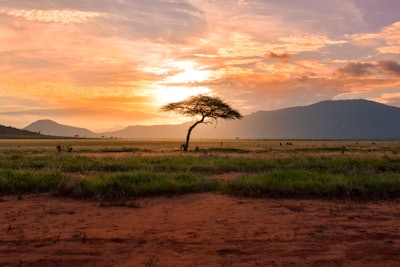
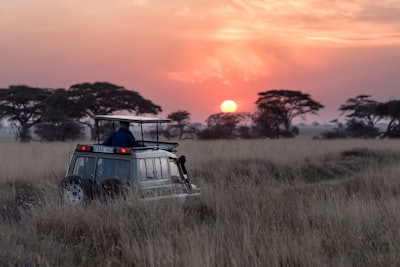
Lake Manyara is a park of constant surprise. Its compact size means encounters happen frequently — elephants in the forest, buffalo in open grassland, hippo in a pool, and giraffe silhouetted against the rift escarpment, all within a single morning drive.


Navigating the
Game Drive Circuit
The game drive circuit flows logically from the forest entrance through open woodland to the lake shore. Our guides plan the route to maximise wildlife encounters across all zones.
| Zone | Character | Key Species | Best Time |
|---|---|---|---|
| Entrance Forest | Dense groundwater fig and mahogany | Tree-climbing lions, baboon, blue monkey, elephant | Dawn – 9am |
| Open Woodland | Mixed acacia woodland and open grass | Giraffe, zebra, wildebeest, impala, warthog | All day |
| Hippo Pools | Permanent pools along the lake edge | Hippo (pods 50+), crocodile, waterbirds, buffalo | Early morning & afternoon |
| Alkaline Lake Shore | Soda flats and shallow margins | Flamingo flocks, pelican, stork, herons, fish eagle | Dawn for best light |
| Southern Endabash | Riverine woodland, seasonal streams | Impala, dik-dik, mongoose, hornbills, warthog | Afternoon |


What to Do at
Lake Manyara
Entering at 6am gives you the forest entirely to yourself, the best tree-climbing lion chances, and sunrise light on the lake. Two hours in Lake Manyara at dawn consistently ranks among clients' most memorable safari moments.
Paddling silently at water level among the flamingo flocks, hippo pools, and lakeshore birds offers a completely different perspective to a vehicle game drive. We pre-book all canoe safaris — spaces are limited and fill quickly.
With 400+ species in 330 km², Lake Manyara is a birder's paradise. Our guides are trained ornithologists who identify every species by call — from the Goliath heron at the water's edge to the green wood-hoopoe in the forest.
Available through private concession areas — after-dark driving reveals genet, civet, bush baby, spring hare, and the occasional aardvark. The forest edge at night is alive with sound and movement.
The top of the rift escarpment above the park offers one of Tanzania's most dramatic panoramas — the entire lake laid out below, the park visible as a map, and on clear days Kilimanjaro and Mount Meru visible on the horizon.
The town at the park gate represents over 120 Tanzanian tribes in a single community — a private guided walk through the market, banana plantations, and local workshops gives an authentic window into Tanzania's cultural diversity.
Best Time to Visit
Lake Manyara
Lake Manyara rewards visitors year-round — its diversity of habitats means no season is ever truly off. The dry season delivers the best general game viewing; the wet season brings the most spectacular flamingo numbers and birdlife.
Jun – Oct: Dry Season
Most popular and productive period for game viewing. Wildlife concentrates near water sources along the lake shore, tree-climbing lion sightings are most reliable, and the golden light through the acacia canopy is beautifully photogenic.
Nov – Mar: Flamingo Season
The wet season and its aftermath bring the highest flamingo numbers — as the lake level rises and algae production peaks, tens of thousands descend on the shallows. Migratory birds arrive and the forest is at its most vivid.
Apr – May: Long Rains
Challenging driving conditions but the park is virtually empty and bird life extraordinary. Those willing to embrace the mud are rewarded with a private Manyara experience that few visitors ever see.
The Dawn Advantage
Whatever season you visit, the single most important timing tip for Lake Manyara is a 6am gate entry. Tree-climbing lions are most active before 9am, hippo return from overnight grazing at dawn, and the flamingo flocks take flight in extraordinary pink clouds in the first light of day.
The Finest Lodges at
Lake Manyara
Lake Manyara's most spectacular accommodation is perched on the rim of the Great Rift Valley escarpment — with the lake 600 metres below and some of Tanzania's most dramatic views. Several lodges within private concessions adjacent to the park offer night drives and walking safaris unavailable inside the national park boundary.


andBeyond's Lake Manyara Tree Lodge is our most requested property here — ten treehouse suites built into the mahogany canopy of the groundwater forest. A raised walkway connects the suites, dining area, and observation decks entirely above the forest floor. Waking to forest sounds with elephants and monkeys passing beneath your terrace before breakfast is an experience our clients never forget.
Practical Guide to
Visiting Lake Manyara
Getting There
The entrance gate is at Mto wa Mbu village, approximately 2 hours from Arusha on a well-paved road. A small airstrip (Manyara Airstrip) receives charter flights from Arusha, Kilimanjaro, Serengeti and Ngorongoro. We arrange all private transfers.
Combining with Other Parks
Lake Manyara sits 1 hour from Tarangire and 2 hours from Ngorongoro — perfectly positioned as the opening park of the northern circuit. We often pair a half-day at Manyara with a full day in Tarangire for a highly contrasting and rewarding two-park opening sequence.
What to Pack
- Binoculars — essential for birding and distant lion spotting
- Camera with long zoom for tree-climbing lion photography
- Wide-angle lens for flamingo panoramas at dawn
- Warm layer for early morning drives
- Sunscreen — the lake shore is very exposed midday
- Insect repellent — forested zones have mosquitoes
Health Note
Lake Manyara sits at around 960m — warmer than Ngorongoro but cooler than the Serengeti lowlands. The park is malaria-endemic; anti-malarials and repellent are strongly recommended.
Lake Manyara
Questions Answered
Yes — Lake Manyara is one of the world's most reliable locations for this remarkable behaviour. The lions here regularly rest in the branches of large fig and acacia trees. Sightings are not guaranteed on any individual visit, but our guides know the current lion territories and the specific trees used most frequently. Morning game drives (6–9am) offer the highest probability of an encounter.
Lake Manyara is excellent year-round. June–October (dry season) delivers the best general game viewing as wildlife concentrates near water. November–March brings the highest flamingo numbers and spectacular migratory birdlife. Even the long rains (April–May) reward visitors with lush scenery, exceptional birds, and virtually no other vehicles in the park.
A half-day game drive covers the main highlights. A full day allows a morning drive, midday break, and afternoon return for golden-hour light. An overnight stay on the escarpment rim — entering at 6am for a dawn drive — is the ideal Manyara experience. Most northern circuit itineraries allocate only a half-day transit stop. We advocate for at least one full day and ideally an overnight.
Over 400 species have been recorded. Highlights include the flamingo spectacle (up to 75,000 on the lake), great white pelican, African fish eagle, all five East African kingfisher species, saddle-billed stork, silvery-cheeked hornbill, lilac-breasted roller, martial eagle, bateleur, and the elusive green wood-hoopoe in the forest.
Yes — canoe safaris on the lake offer a completely different perspective on the flamingo, hippo, and waterbirds, paddling at water level in complete quiet. Spaces are limited and must be booked in advance — we arrange this as part of our Lake Manyara packages. The best experience is in the early morning when the water is still and the flamingo flocks take flight above the canoe.
Absolutely. Lake Manyara offers a completely different ecosystem — groundwater forest, alkaline lake, tree-climbing lions, and extraordinary flamingo flocks are all experiences you will not find in those parks. Every Tanzania Bespoke northern circuit itinerary includes Lake Manyara. We have never recommended skipping it, and clients who do consistently report it as the one thing they wish they had kept.