Tanzania's Safari Capital —
More Than a Gateway
Arusha is the operational heart of Tanzania's safari industry — a bustling, colourful city of around 500,000 people sitting at 1,400 metres on the fertile slopes between Mount Meru and the Arusha plains, less than two hours' drive from the Ngorongoro Highlands and three hours from the Serengeti. Almost every northern circuit safari departs from and returns to Arusha, yet most travellers allocate it nothing more than a transit night.
That is a mistake. Arusha has a genuine character — a cosmopolitan East African city with excellent restaurants, a thriving arts scene, superb shopping for authentic Tanzanian crafts and tanzanite gemstones, and easy access to some of the region's most rewarding day experiences. Arusha National Park — one of Tanzania's most underrated parks — sits just 25km from the city centre and offers a quality half-day or full-day game drive with giraffe, buffalo, colobus monkey, and the flamingo-fringed Momella Lakes. The park also provides the trailhead for Mount Meru.
For Tanzania Bespoke Expeditions clients, we always encourage at least one full day in Arusha — using it to settle in after a long international flight, explore the Cultural Heritage Centre, do a coffee farm visit or Materuni day trip, and have a proper dinner before the safari begins. Those who invest that day consistently arrive in the bush more relaxed, better oriented, and more ready to receive everything that follows.
The optimal Arusha stopover is: arrive day one (rest and dinner at your lodge), day two (Cultural Heritage Centre in the morning, Materuni or Arusha National Park in the afternoon), day three (safari departs). This gives you a genuine orientation to Tanzania before the bush begins, and you leave Arusha feeling like you've arrived rather than just passed through.
Every Great Tanzania Safari
Starts Here
Arusha sits at the geographical and logistical centre of northern Tanzania's entire safari ecosystem — within easy reach of every major destination on the northern circuit. This is why virtually every safari operator, every luxury lodge, and every trekking company uses Arusha as the primary hub.
The Best of Arusha —
Your City Guide
Tanzania's finest cultural attraction — a vast complex housing an extraordinary collection of Tanzanian art, tribal artefacts, tanzanite gemstones, authentic crafts, and curated gifts. Part gallery, part high-end craft market. Allow 1–2 hours and budget generously — the quality is exceptional and prices are fair. The tanzanite collection alone is worth the visit for those interested in this unique Tanzanian gemstone found only in the Kilimanjaro foothills.
Tanzania's most accessible national park — just 25km from the city centre — and one of its most underrated. A half-day game drive delivers giraffe, buffalo, zebra, warthog, black-and-white colobus, and flamingo on the Momella Lakes. The park also provides the starting point for Mount Meru treks and walking safaris with an armed ranger. An excellent appetiser before the northern circuit, or a rewarding standalone experience for those with limited time.
The central Arusha Market is a vivid, fragrant, and genuinely local experience — fresh produce, spices, street food, and the colour and noise of everyday Tanzanian commerce. The nearby Maasai Market offers beadwork, carved wooden items, fabrics, and the characteristic red-checked Maasai blankets (shuka). A private guide is invaluable in both for context and to ensure fair prices. Allow a morning and bring cash in small denominations.
A small but genuinely informative museum in the historic Boma (colonial administrative building) in the city centre — covering the history of Tanzania from German colonial rule through Julius Nyerere's independence movement and the post-independence Arusha Declaration of 1967. The museum is compact but provides important historical context for understanding Tanzania's contemporary politics and society. A 45-minute visit is worthwhile.
Arusha has developed a genuinely good café culture, driven by its proximity to the Kilimanjaro and Arusha coffee-growing regions. Several excellent independent coffee shops serve single-origin pour-overs and espresso drinks using locally sourced Arabica — a world apart from the instant coffee that unfortunately dominates much of Tanzania. The Arusha Coffee Lodge has the most celebrated coffee programme; Caffè Freddo and Burka Coffee Estate café are also excellent.
Several of Arusha's finest lodges — particularly the Arusha Coffee Lodge and Rivertrees Country Inn — offer excellent spa and wellness facilities. A massage or spa treatment the evening before a Kilimanjaro climb or after returning from a long safari is both practically useful (sore muscles from days in a Land Cruiser) and genuinely restorative. We include pre-safari spa time in our premium itineraries as a matter of course.
Beyond the City —
The Best Day Trips
Arusha's surroundings offer some of Tanzania's finest day experiences — from the waterfalls and coffee farms of Kilimanjaro's lower slopes to the thermal springs of the Rift Valley and the extraordinary wildlife of Arusha National Park. These are the day trips we build into our clients' Arusha stopovers.

A 70-metre waterfall, Chagga coffee farm tour, and traditional lunch on Kilimanjaro's slopes — our favourite full-day Arusha excursion.
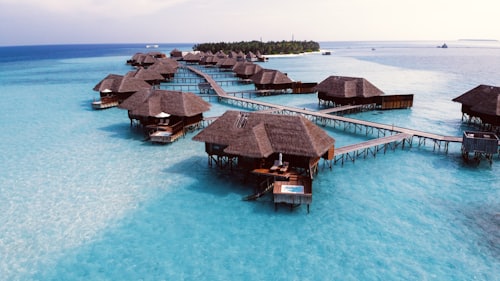
Tanzania's most beautiful natural pool — crystal-clear 30°C thermal water in a jungle canopy. Best combined with Materuni as a full day.

Africa's fifth-highest peak inside Arusha National Park — half-day game drive or a 3–4 day summit trek with wildlife on the trail.


Arusha's Best
Restaurants & Cafés
Arusha's restaurant scene has matured significantly in recent years — driven by the city's large international visitor base and growing expat community. From excellent Indian cuisine (a legacy of Arusha's historic South Asian community) to wood-fired pizza, farm-to-table Tanzanian dishes, and world-class single-origin coffee, the city offers more dining quality than many visitors expect.
The finest dining experience in the city — set on the coffee plantation estate, the menu draws from local produce and pairs Tanzanian ingredients with expert technique. The estate-grown coffee programme is outstanding. Best for a celebratory pre- or post-safari dinner.
An Arusha institution — an outdoor barbecue restaurant in the city centre known for excellent nyama choma (grilled meat), grilled fish, and the kind of unpretentious, convivial atmosphere that makes it genuinely memorable. Hugely popular with locals and visitors alike.
Tanzania's best single-origin coffee programme — using beans grown on the surrounding estate, roasted in-house, and served by trained baristas. The coffee is exceptional. The setting — shaded verandah overlooking the coffee plantation — is equally so.
A beloved Arusha institution in the backpacker quarter — good wood-fired pizza, fresh salads, live music nights, and a genuinely friendly atmosphere. Popular with long-term visitors and the NGO community. Excellent for a relaxed lunch or pre-safari evening.
The best sundowner spot in the city centre — a rooftop bar with Mount Meru visible in the distance on clear evenings. Good cocktails, cold Safari beer, and the particular satisfaction of watching Arusha's golden hour from above the city. A ritual worth building into any arrival evening.
The street food stalls near the central market are some of the most authentic and delicious eating in Arusha — mishkaki (spiced meat skewers), chips mayai (chips omelette), mandazi (Tanzanian doughnuts), and fresh tropical fruit. Bring cash, bring appetite, and ideally bring a local guide.
Arusha's Best
Hotels & Lodges
Arusha's accommodation ranges from boutique luxury lodges on the coffee-farm estates in the city's green outskirts to well-run city centre hotels for those who prefer easy access to the Cultural Heritage Centre and restaurants. We book pre- and post-safari accommodation for all our clients and match them to the property that best suits their preferences.
For clients beginning or ending a high-end northern circuit safari, Arusha Coffee Lodge is our consistently recommended property — a collection of beautifully appointed cottages on a working coffee estate on the outskirts of the city, with the best restaurant and coffee programme in Arusha, excellent spa facilities, and a tranquil garden atmosphere that provides genuine decompression after a long international flight. It sets the tone for the entire safari experience.
Everything You Need
to Know About Arusha
Getting to Arusha
Kilimanjaro International Airport (JRO) is the main gateway — approximately 45km from the city centre (45 minutes to 1 hour by private transfer). JRO receives direct flights from Amsterdam (KLM), Doha (Qatar Airways), Dubai (Emirates), Nairobi (Kenya Airways, Ethiopian), and several other hubs. We arrange all private airport transfers for our clients.
Arusha Airport (ARK) — a small domestic airfield — is 10 minutes from the city centre and connects to Zanzibar, Dar es Salaam, and the Serengeti via Coastal Aviation and other domestic carriers.
Climate
Arusha sits at 1,400m and enjoys a pleasantly temperate climate year-round — warm days of 22–28°C and cooler evenings that can drop to 15°C. The long rains fall April–May; the short rains in November. The dry season (June–October and January–February) delivers the clearest weather and best conditions for surrounding day trips.
Safety
Arusha is generally safe for tourists in the main hotel and tourist areas. Standard urban precautions apply — be aware in crowded market areas, do not display expensive equipment openly, and use private pre-arranged transfers rather than street taxis after dark. We brief all clients on specific areas and protocols before arrival.
Money & Payments
The Tanzanian Shilling (TZS) is the local currency; US Dollars are widely accepted at hotels, lodges, and upmarket restaurants. ATMs are available at major banks in the city centre and at the airport. We recommend carrying a mix of USD cash and card. The Cultural Heritage Centre accepts major credit cards.
Health
Arusha is at sufficient altitude (1,400m) that malaria risk is lower than in many parts of Tanzania — but it is not zero. Anti-malarials are still recommended, particularly for those travelling on to lower-altitude safari areas. Tap water is not safe to drink; bottled or filtered water is provided at all our recommended hotels. Yellow fever vaccination is required for entry to Tanzania if travelling from certain countries.
Connectivity
Arusha has good 4G connectivity in the city centre through local networks (Vodacom, Airtel, Tigo). Wi-Fi is available at all recommended hotels. A local SIM card is inexpensive and very useful for the duration of your Tanzania trip — Vodacom offers the most reliable coverage across the northern circuit. We advise all clients on the best data options before arrival.
Arusha
Questions Answered
Yes — Arusha deserves at least one full day before and one after any northern circuit safari. The city provides an excellent cultural and practical orientation to Tanzania: the Cultural Heritage Centre introduces you to the range of Tanzanian arts and crafts, the restaurants and cafés deliver some of the best dining available in the country, and a day trip to Materuni or Arusha National Park gives a taste of the wider landscape. Clients who invest a full day in Arusha consistently feel more settled and ready for the safari than those who rush straight into the bush.
Top priorities: Arusha Cultural Heritage Centre (1–2 hours — outstanding crafts and tanzanite), Arusha National Park half-day game drive (giraffe, colobus, flamingo lakes), Materuni Waterfalls and coffee tour (full day — our favourite Arusha excursion), Chemka Hot Springs (half day — warm natural pool), and the Arusha Market (morning — fresh produce, spices, street food). In the evening, dinner at Arusha Coffee Lodge or sundowners at a rooftop bar round out a very satisfying Arusha day.
Kilimanjaro International Airport (JRO) is approximately 45km from Arusha city — around 45 minutes to 1 hour by private transfer depending on traffic. We arrange all private airport transfers for our clients — a driver meets you at arrivals with a name board and brings you directly to your hotel. Taxis are available at the airport but we strongly recommend pre-arranged private transfers for safety and ease, particularly on arrival after a long international flight.
The Arusha Cultural Heritage Centre is Tanzania's finest cultural attraction — a large complex on the Moshi Road housing an extraordinary collection of Tanzanian and East African art, tribal artefacts, tanzanite gemstones, contemporary craft, and curated gifts across multiple galleries and shop floors. It is simultaneously an impressive gallery and the best place to buy authentic Tanzanian crafts at fair prices. The tanzanite collection — this rare blue-violet gemstone is found only near Kilimanjaro — is particularly notable. Allow 1–2 hours and bring your credit card.
Arusha is generally safe for tourists in the main hotel and tourist areas. The city has a large, well-established tourism infrastructure built around the safari industry and most visitors experience no problems. Standard urban precautions apply: be mindful in crowded market areas, don't leave valuables visible in vehicles, and use pre-arranged private transfers rather than unknown taxis after dark. We provide all clients with a specific safety briefing for Arusha before arrival and always arrange trusted, vetted transport throughout their stay.
For most northern circuit safaris: 1 night before (arrival day) and 1 night after is the practical minimum. 2 nights before allows time for a day trip (Materuni + Chemka, or Arusha National Park) and a Cultural Heritage Centre visit. 3–4 nights is appropriate if combining with a Mount Meru climb (which departs from and returns to Arusha). We advise every client to arrive the day before their safari departs — rushing to the bush on the day of arrival after a long flight is not the best way to begin one of the most extraordinary journeys of your life.