Arusha National Park is Tanzania's best-kept secret. Located just a short drive northeast of the city of Arusha, this compact but remarkably varied park is often overlooked by safari travelers rushing to the Serengeti or Ngorongoro Crater. Those who pause here, however, discover experiences unavailable anywhere else in Tanzania — guided walking safaris past giraffes and buffalo with an armed ranger, canoeing on alkaline lakes among flamingos, and trekking through tropical rainforest filled with black-and-white colobus monkeys. With views of both Mount Kilimanjaro and Mount Meru from the park's higher elevations, Arusha National Park offers a gentle, intimate introduction to Tanzanian wildlife that is perfect for first-time visitors and seasoned safari travelers alike.
What makes Arusha National Park special is not its size — at just 137 square kilometers it is one of Tanzania's smaller parks — but its extraordinary variety of landscapes compressed into a single day's visit. Within hours, you can pass from tropical rainforest inhabited by silvery-cheeked hornbills and colobus monkeys to the seven shallow alkaline Momella Lakes dotted with flamingos, to the dramatic Ngurdoto Crater — often called Little Ngorongoro — with its swamps, waterfalls, and volcanic features. The park is dominated by Mount Meru, the second-highest mountain in Tanzania at 4,566 meters, which offers a challenging 3-4 day trek to its summit for those seeking an alternative to the more crowded Kilimanjaro routes.
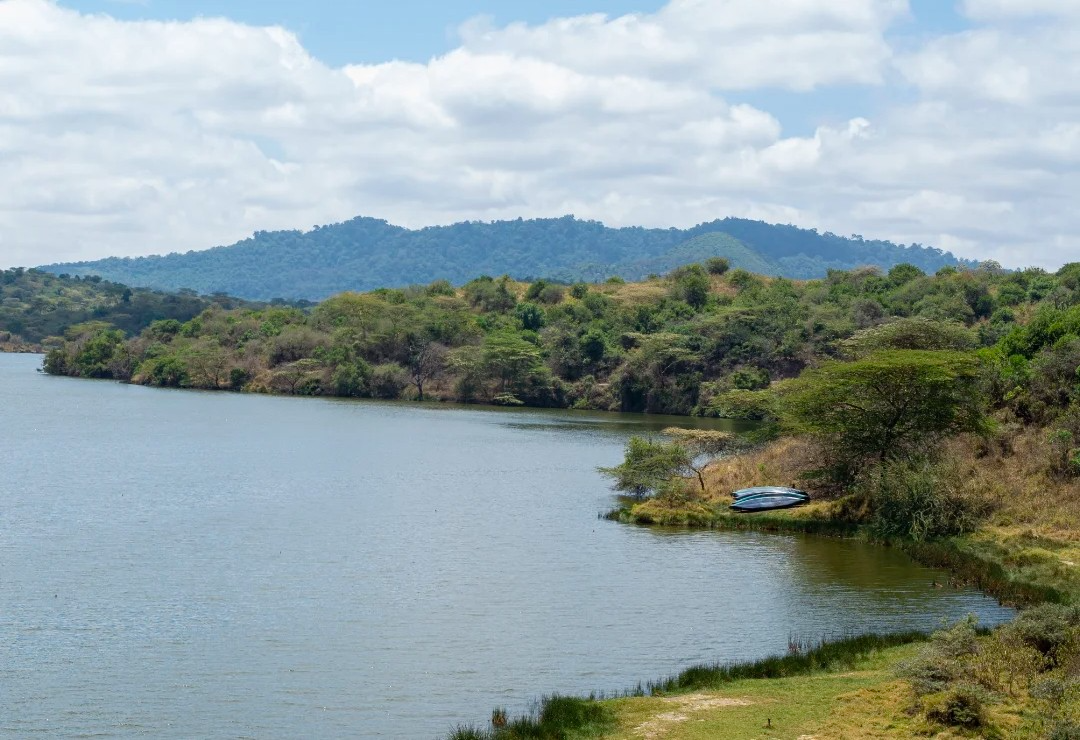
Mount Meru rises above the Momella Lakes in Arusha National Park — the only park in Tanzania where you can canoe among flamingos and walk among giraffes with an armed ranger.
What Makes Arusha National Park Special?
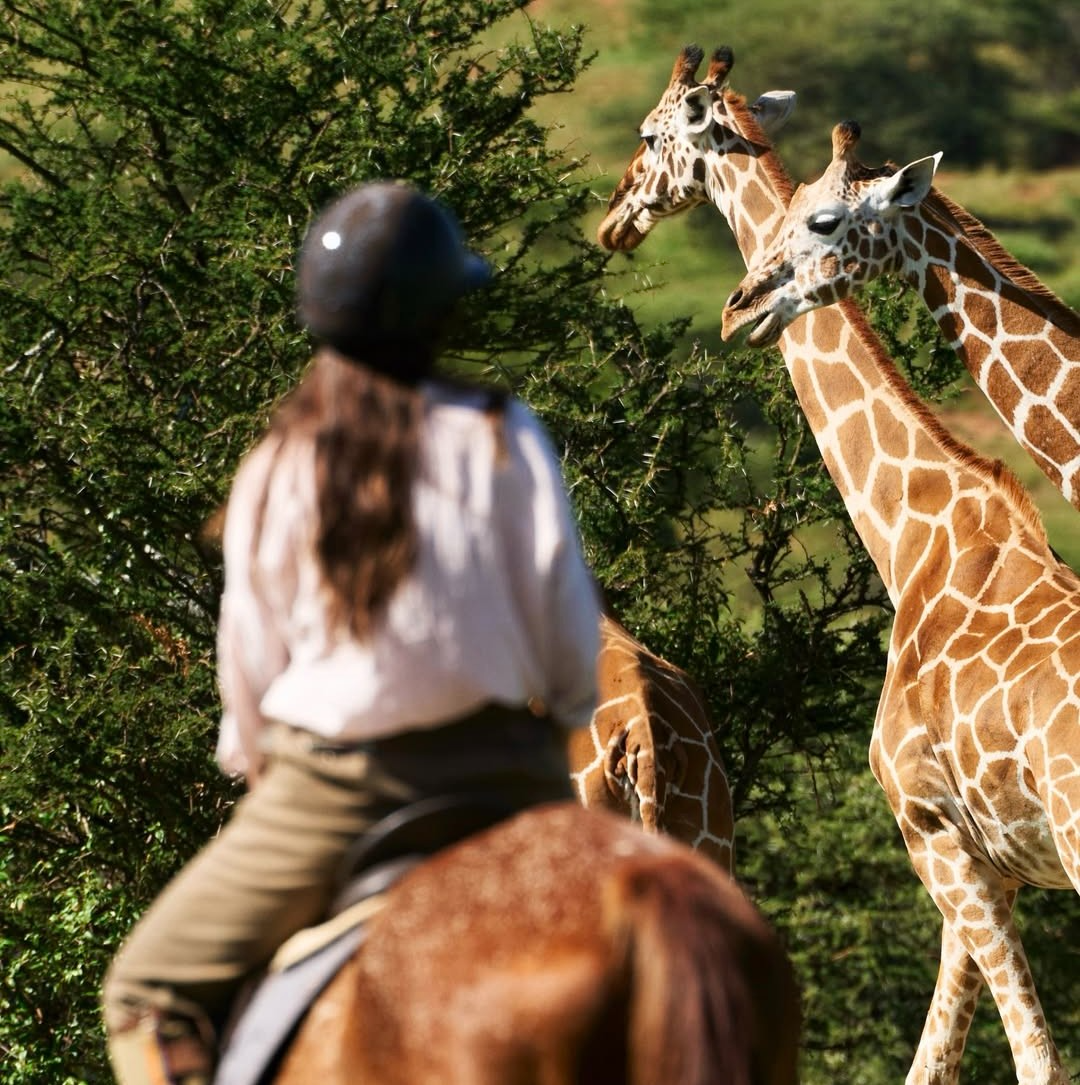
The defining feature of Arusha National Park is the walking safari — an experience simply not permitted in Tanzania's other national parks due to the presence of lions and elephants. Because Arusha National Park has no lions or elephants, visitors can leave their vehicles and walk through the park accompanied by an armed ranger. This transforms the safari experience entirely. Instead of observing animals from a distance, you walk through their habitat — past grazing buffalo, waterbuck, bushbuck, and warthog — with giraffes silhouetted against Mount Kilimanjaro on the horizon. The sensory experience is completely different from a game drive: the crunch of grass underfoot, the alarm calls of birds, the sudden proximity of a buffalo herd. It is an intimate wildlife encounter that even the most experienced safari travelers find exhilarating.
The park is also renowned for its primate population. Black-and-white colobus monkeys — with their striking long-haired coats and flowing white tails — inhabit the tropical rainforest sections of the park in large troops. Alongside them, vervet monkeys, blue monkeys, and olive baboons are all common sights. The silvery-cheeked hornbill, a large forest bird with a distinctive casque on its bill, is another signature species of the park's rainforest. Birders will also find flamingos on the Momella Lakes, along with numerous waterfowl and migratory species that make use of the seven shallow alkaline lakes that form a chain through the park.
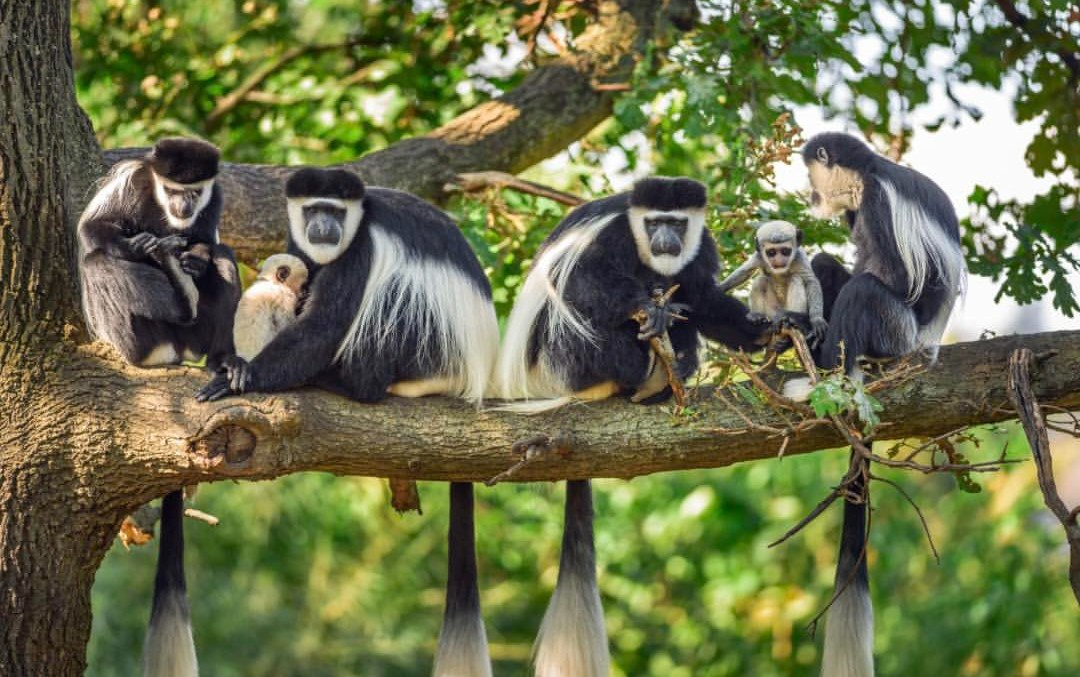
Black-and-white colobus monkeys are among the park's most iconic wildlife — large troops inhabit the tropical rainforest, alongside vervet and blue monkeys.
Activities and Experiences
The range of activities available in Arusha National Park sets it apart from every other Tanzanian park. The guided walking safari is the headline experience — typically lasting 2-3 hours and led by an armed ranger who provides interpretation of tracks, birds, plants, and animal behavior. Walks can be tailored to fitness levels and interests, from gentle strolls through the forest to more challenging hikes along the slopes of Mount Meru. For many visitors, the walking safari is the highlight of their entire Tanzanian journey — a memory that lingers long after the game drives have blurred together.
Canoeing on the Momella Lakes is another experience unique to Arusha National Park. Paddling quietly across the alkaline waters among flamingos, with Mount Meru and occasionally Mount Kilimanjaro visible on clear days, offers a perspective on African wildlife that is entirely different from a safari vehicle. Hippos wallow in the deeper sections of the lakes, while waterbuck and bushbuck come to drink at the shore. The canoeing experience is gentle, accessible to all fitness levels, and exceptionally photogenic — particularly in the golden light of early morning or late afternoon.
For those seeking a more challenging adventure, Mount Meru trekking is a serious undertaking — a 3-4 day climb to the summit at 4,566 meters that passes through multiple climate zones from tropical rainforest to alpine desert. The route offers spectacular views of Mount Kilimanjaro, and the summit cone of Meru — the remnant of a massive volcanic explosion that created the Ngurdoto Crater below — is one of the most dramatic geological features in East Africa. The trek is less crowded and less expensive than Kilimanjaro, making it an attractive alternative for fit travelers.
Wildlife of Arusha National Park
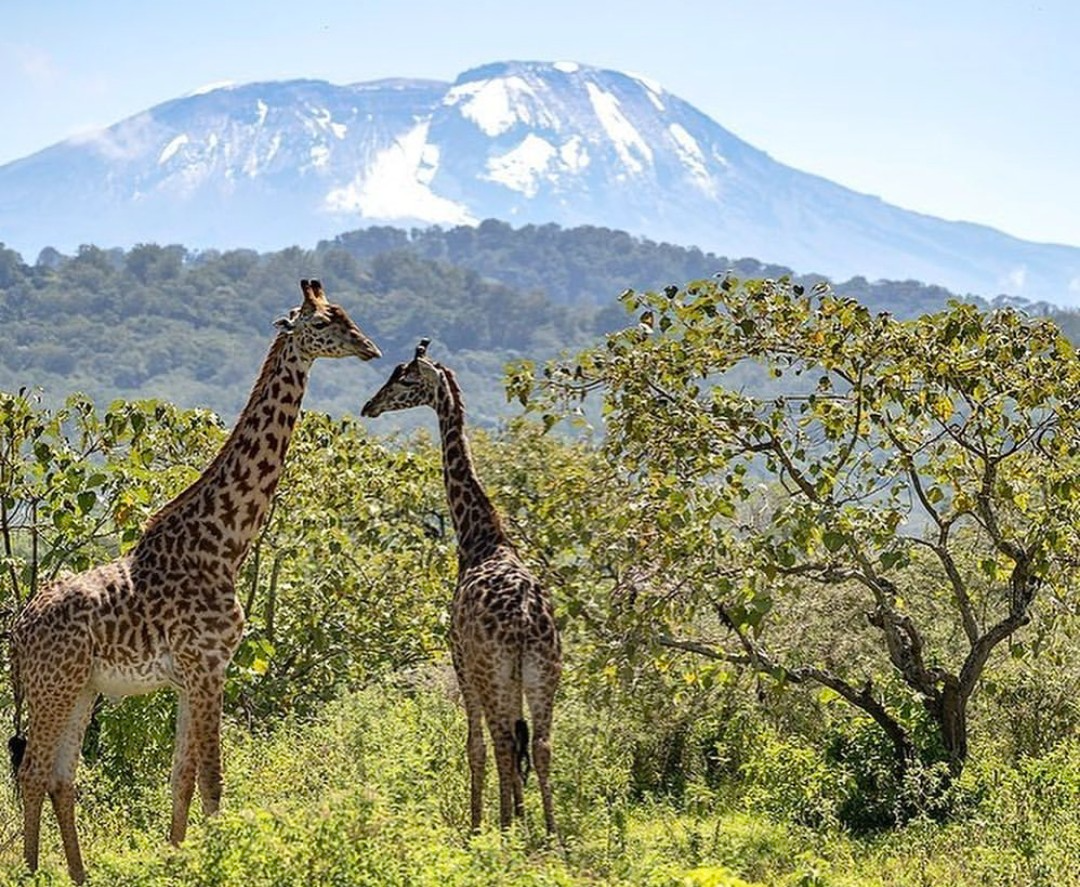
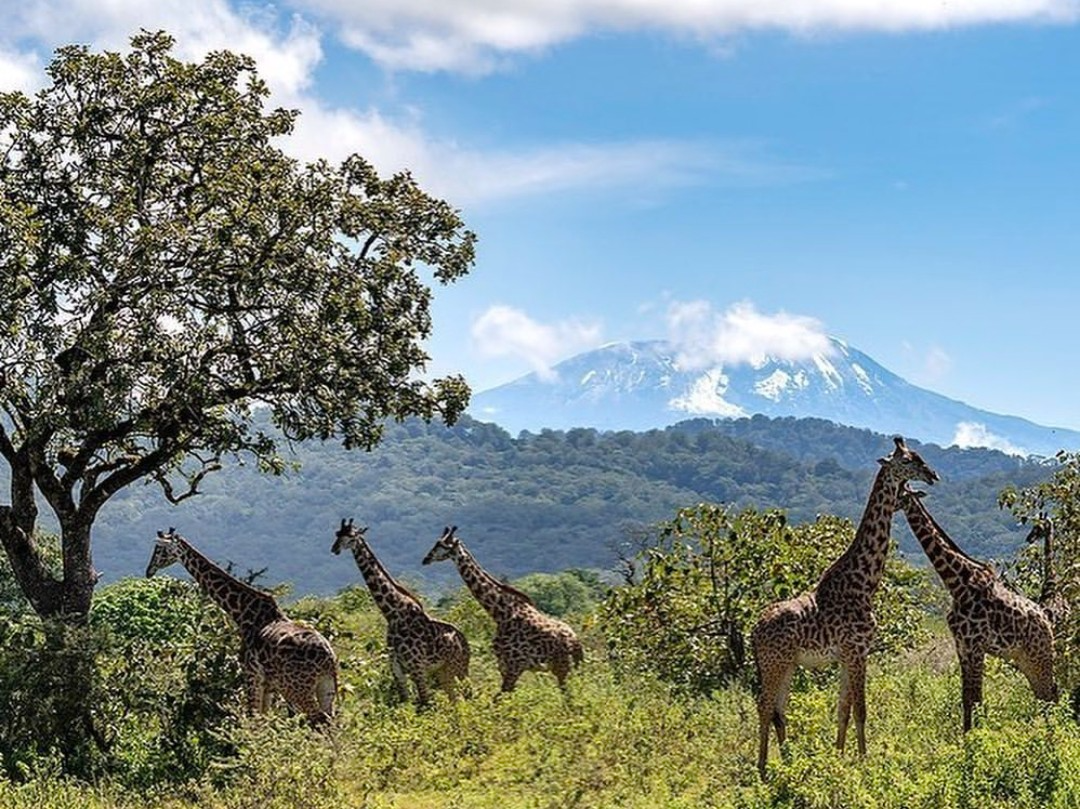
The absence of lions and elephants in Arusha National Park — while initially sounding like a disadvantage — is precisely what enables the park's unique walking safaris and creates a different kind of wildlife experience. The animals present are more relaxed, less wary of vehicles, and the absence of apex predators allows for closer observation of species that are often skittish elsewhere. Giraffes are common throughout the park, often seen browsing on acacia trees with Mount Kilimanjaro as a backdrop. Buffalo herds graze in the open clearings, hippos wallow in the Momella Lakes, and warthogs trot comically across the roads.
The park's primate diversity is exceptional. Black-and-white colobus monkeys are the star attraction — large troops can be seen leaping through the canopy of the tropical rainforest, their flowing white tails trailing behind them. Vervet monkeys and blue monkeys are also common, while olive baboons patrol the forest floor in large troops. For birders, the park is a treasure trove: silvery-cheeked hornbills, crowned eagles, Narina trogons, and numerous forest specialists inhabit the rainforest, while the Momella Lakes attract flamingos, pelicans, cormorants, and migratory waders. The giant fig tree near the park entrance is a landmark in itself — an ancient, sprawling tree of impressive proportions.
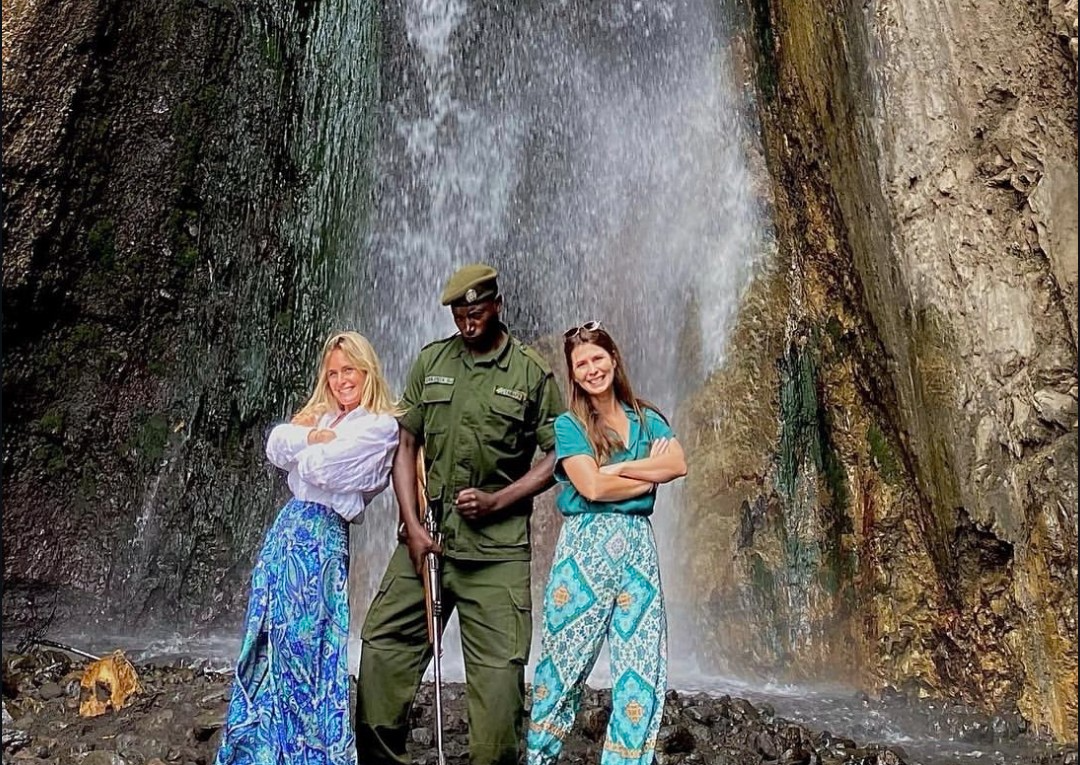
A guided walking safari in Arusha National Park — the only national park in Tanzania where you can walk among wildlife with an armed ranger.
Is Arusha National Park Worth Visiting?
For first-time visitors to Tanzania, Arusha National Park is an ideal introduction to African wildlife. Its proximity to Arusha town and Kilimanjaro International Airport makes it the most accessible park on the Northern Circuit — you can land in the morning and be walking among giraffes by the afternoon. The gentle pace of the experience, the absence of large predators, and the variety of activities available make it perfect for families with children, older travelers, or anyone seeking a more relaxed safari experience.
For seasoned safari travelers who have already seen the Big Five in Serengeti or Ngorongoro, Arusha National Park offers something genuinely different. The walking safari and canoeing experiences provide perspectives on African wildlife that are impossible to obtain from a vehicle. The chance to see black-and-white colobus monkeys, silvery-cheeked hornbills, and flamingos on the Momella Lakes adds species diversity to any Northern Circuit itinerary. Compared to other nearby wildlife reserves — Serengeti with its vast plains and migration, Ngorongoro with its contained caldera ecosystem, or Tarangire with its elephant herds — Arusha National Park carves out a unique niche that complements rather than competes with its more famous neighbors.
The park entrance fee is approximately $45 per person per day for international visitors, making it one of the more affordable parks on the Northern Circuit. Day safaris including transportation, guide, park fees, and lunch typically range from $200 to $500 per person depending on the level of accommodation and whether walking safaris or canoeing are included. For those seeking to combine Arusha with other parks, our 8-day Northern Circuit safari includes Arusha National Park alongside Tarangire, Serengeti, Ngorongoro, and Lake Manyara for a complete circuit experience.
Plan your Arusha National Park visit with confidence. Our team will design a bespoke itinerary tailored to your interests — whether a gentle walking safari, Mount Meru trek, or a complete Northern Circuit adventure. Every safari is 100% private with expert naturalist guides. Arusha National Park is just 45 minutes from Kilimanjaro International Airport — the perfect first or last stop on your Tanzanian journey.