Africa's Most Underrated
Mountain Trek
At 4,566 metres, Mount Meru is Africa's fifth-highest peak — a spectacular, dormant stratovolcano that rises from the Arusha plains just 70 kilometres west of Kilimanjaro. Sitting entirely within Arusha National Park, it is arguably the most beautiful and varied mountain trek in East Africa — and almost nobody outside Tanzania knows it exists.
What makes Mount Meru genuinely unlike any other African mountain climb is the wildlife. The lower slopes are home to giraffe, buffalo, elephant, zebra, warthog, and black-and-white colobus monkey — and you encounter them on foot, on the trail, accompanied by an armed park ranger whose presence is not ceremonial. This is live wildlife on an active mountain path. The experience of walking through the montane forest at dawn, colobus monkeys crashing through the canopy above and elephant tracks crossing the path ahead, is completely different from any other trekking experience in Africa.
The summit — a narrow, dramatic rim walk around the inside of the volcanic crater, ending at the ash cone and the exposed ridgeline of Socialist Peak at 4,566m — offers what many consider the finest view of Kilimanjaro available from any point in Tanzania. On a clear dawn, Kibo's glaciers are visible as a white crown floating above the clouds, framed by the caldera wall.
Mount Meru is the world's finest acclimatisation trek for Kilimanjaro — and one of the most criminally underrated mountain experiences in Africa. We include it in our itineraries as a standalone summit (it absolutely deserves to be), as an acclimatisation climb before Kilimanjaro, or as a combined wildlife-and-trekking experience from Arusha. If you have even one extra day in your Tanzania itinerary, add Mount Meru. You will not regret it.
Two Mountains,
Two Completely Different Experiences
Mount Meru and Kilimanjaro are often compared — understandably, since they are just 70km apart and both offer extraordinary summit experiences. But they are fundamentally different treks, and understanding those differences helps plan the best possible Tanzania mountain itinerary.
The ultimate Tanzania mountain experience is Mount Meru (3–4 days) followed by Kilimanjaro Lemosho (7–8 days) — with 5–7 days of northern circuit safari either side. Meru acclimatises you for Kilimanjaro, giving a significantly higher summit success rate. And standing on Africa's highest peak having already stood on its fifth-highest is a satisfaction that cannot be overstated. This is our gold-standard recommendation for any client with the time and fitness.
Five Worlds from
Gate to Summit
Like Kilimanjaro, Mount Meru passes through a series of distinct ecological zones as you ascend — each with its own vegetation, wildlife, and atmosphere. The transition from the wildlife-rich montane forest of the lower slopes to the stark volcanic ash of the summit zone is one of the trek's defining pleasures.
Montane Forest (1,800–2,800m)
The most dramatically alive section of the trek — dense Podocarpus and fig forest draped in moss, alive with birdsong, colobus monkey crashes, and the unmistakable sound of elephants moving just off the path. This is where wildlife encounters are most frequent and most unexpected. The forest is dense, cool, and extraordinarily beautiful in the early morning light.
Sub-Alpine Heath (2,800–3,500m)
Above the treeline, giant heather and groundsel create the alien high-altitude landscape familiar from Kilimanjaro. The views open dramatically — Moshi and the plains of northern Tanzania visible far below, and on clear days, Kilimanjaro's summit cone emerging above the horizon to the east. Red-hot pokers and everlasting flowers dot the open heath.
Alpine Desert & Crater Rim (3,500–4,566m)
The final ascent follows a narrow, dramatically exposed ridge — the inner wall of the volcanic caldera — with vertiginous drops into the ash cone on one side and the outer slopes falling away on the other. This section requires careful footing and a head for heights, but delivers the most spectacular scenery of the entire trek. The summit at Socialist Peak (4,566m) faces directly east for the sunrise Kilimanjaro view.
The Ash Cone
Inside the caldera, a 300-metre secondary ash cone sits like a perfect volcanic sculpture — formed by more recent eruptive activity and dramatically stark against the green outer slopes. Some optional itineraries include a descent into the caldera to explore the ash cone, adding an extraordinary geological dimension to the climb.
Africa's Only
Wildlife Mountain Trek
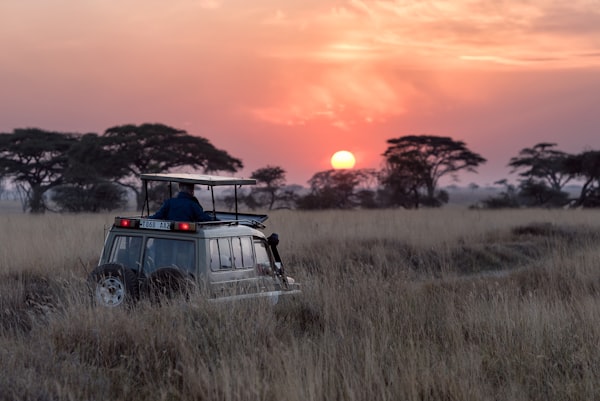
Mount Meru is unique among African mountains: it sits entirely within Arusha National Park, and the lower slopes are genuinely wild. Unlike Kilimanjaro — where wildlife sightings in the forest zone are incidental and uncommon — Mount Meru has real, habituated wildlife populations on and adjacent to the main trail. An armed park ranger accompanies every group not as a formality but as a genuine requirement: buffalo and elephant regularly cross the path, and their proximity is a regular occurrence.
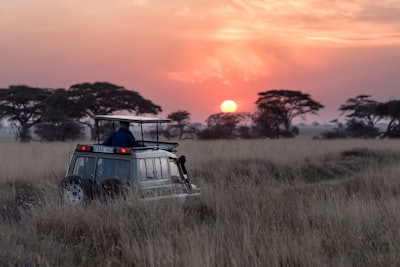


Every Mount Meru climb requires an armed park ranger to accompany the group — a KINAPA regulation, not an optional extra. The ranger carries a rifle and has full authority to direct the group's movement when wildlife is encountered. This is not theatre: buffalo and elephant encounters on the lower trail are a regular occurrence, and the ranger's presence allows the group to get closer to large wildlife on foot than would otherwise be safe. Most trekkers describe the ranger's company — and the authentic wildness it implies — as one of the most memorable aspects of the entire climb.
Day-by-Day Guide
to the Summit
The Momella Route is the only established route on Mount Meru — a 4-day (3-night) itinerary that ascends from Momella Gate at 1,500m to Socialist Peak at 4,566m. A 3-day (2-night) option is available for very fit, acclimatised trekkers. We always recommend 4 days for the best experience and optimal summit preparation.
The trek begins at Momella Gate (1,500m) — an ascent through open bushland and acacia savannah that is effectively a game walk on foot. Giraffe, zebra, warthog, and buffalo are regularly encountered in the first two hours. As the path rises into the lower montane forest, the atmosphere shifts — cool, green, moss-draped, and alive with colobus monkey calls. Miriakamba Hut (2,520m) sits in a beautiful forest clearing with dramatic views of the ash cone above.
A shorter but steeper day — climbing through the upper montane forest, past giant heathers and into the sub-alpine heath zone. The views open dramatically as the forest thins. An optional afternoon side trip to the summit of Little Meru (3,820m) is highly recommended — a superb acclimatisation walk with sweeping views east toward Kilimanjaro and west over the Rift Valley. Saddle Hut (3,570m) is the highest serviced hut on the mountain, with the best Kilimanjaro views of any camp on the trek.
The summit day begins at midnight — a departure from Saddle Hut under stars to reach the summit crater rim at dawn. The final ascent follows a spectacular knife-edge ridge with sheer drops into the ash cone on one side and the vast plains of northern Tanzania on the other. Socialist Peak (4,566m) is reached as the sun rises — and on a clear morning, Kilimanjaro emerges above the cloud horizon to the east in what is consistently described as one of the most beautiful views in Africa. Descent to Miriakamba Hut for a well-earned lunch and rest.
The final descent retraces the lower forest path back to Momella Gate — a relaxed morning walk through the montane forest and back through the wildlife-rich savannah. The mood is celebratory. Wildlife encounters on the descent are often the most relaxed of the whole trek — there is no summit pressure, the ranger leads at a gentle pace, and the morning light through the forest canopy is at its most golden.
Best Time to Climb
Mount Meru
Mount Meru can be trekked year-round — its lower altitude compared to Kilimanjaro means weather conditions are generally less extreme. That said, dry season conditions significantly improve trail quality, summit visibility, and the Kilimanjaro view at the top.
Jan – Feb: Quiet Dry Season
One of our favourite periods — dry trails, cold clear nights, minimal other trekkers, and superb Kilimanjaro summit views at dawn. January–February is also ideal for combining Meru with a Kilimanjaro climb on the same trip, before the schools holiday crowds arrive in July–August.
Jun – Oct: Peak Dry Season
The most reliable conditions — dry and clear at altitude, excellent summit visibility, and the best wildlife sightings in the lower zones as animals concentrate near water. July and August are the busiest months, though Mount Meru never approaches the crowds of Kilimanjaro. Even in peak season the mountain feels genuinely quiet.
Apr – May: Long Rains
The heavy rains make trails muddy and cloud the summit views. However, the forest is extraordinarily lush and green, bird watching is at its peak, and you'll have the mountain almost entirely to yourself. Those willing to accept wet conditions and reduced summit visibility will find the forest experience at its most spectacular.
Combining with Kilimanjaro
The optimal Meru–Kili combination is: Meru (4 days) → 5–7 days rest/safari → Kilimanjaro Lemosho (7–8 days). The rest period between the two climbs allows adaptation from Meru's acclimatisation boost before the higher altitude of Kilimanjaro. We plan all combined mountain itineraries with this spacing in mind.


What to Pack for
Mount Meru
Mount Meru's altitude (4,566m) and variable weather demand a proper layering system — lighter than full Kilimanjaro kit but more substantial than a day hike. The forest zone is warm and humid on the lower slopes; the summit ridge at midnight is genuinely cold. Pack accordingly.
- Moisture-wicking base layer (x2)
- Fleece or insulating mid-layer
- Waterproof shell jacket
- Trekking trousers (x2)
- Warm hat and gloves
- Gaiters for forest mud sections
- Summit night: down jacket essential
- Waterproof hiking boots — broken in
- Trekking poles (strongly recommended)
- Gaiters for muddy forest sections
- 30L daypack
- 60–80L duffle for porters
- Headtorch with spare batteries
- Sleeping bag rated to -10°C
- Diamox (discuss with doctor)
- Ibuprofen and paracetamol
- Blister prevention and foot care
- Rehydration salts and electrolytes
- High-factor sunscreen
- Lip balm and UV sunglasses
- Insect repellent (forest zone)
Where to Stay in
Arusha
Mount Meru treks begin and end at Momella Gate in Arusha National Park — just 1 hour's drive from Arusha city. Most clients base themselves in Arusha before and after the trek, with accommodation ranging from boutique luxury lodges in the coffee-farm foothills to world-class properties on the edge of the national park itself.


Practical Guide to
Climbing Mount Meru
Getting There
Momella Gate is approximately 1 hour's drive from Arusha city — a short and scenic transfer through the Arusha National Park boundary. Kilimanjaro International Airport (JRO) is the primary international gateway, 45 minutes from Arusha. We arrange all private transfers as part of every Mount Meru package.
Permits & Fees
Arusha National Park entry fees apply for every day on the mountain — $70 USD per day for international visitors — plus camping and hut fees and ranger fees. All fees are fully included in our Mount Meru packages. There are no hidden costs.
Porter Welfare
We operate Mount Meru climbs under the same ethical porter standards as our Kilimanjaro expeditions — fair wages, appropriate equipment, maximum 15kg carry, and shared food with the climbing team. We encourage all clients to tip porters and rangers generously at the end of the climb.
Fitness Requirements
Mount Meru requires good cardiovascular fitness and the ability to walk 5–8 hours per day on consecutive days. The summit ridge is steep and requires sure footing, particularly in the dark on summit night. No technical climbing is involved. We recommend beginning a training programme 6–8 weeks before the climb, focusing on long hikes with a loaded pack.
Altitude Note
At 4,566m, Mount Meru reaches sufficient altitude to cause mild altitude sickness in unacclimatised trekkers. Symptoms (headache, mild nausea, fatigue) are normal at this elevation — the standard response is rest and hydration. Serious AMS is rare at Meru's altitude but our guides monitor all clients throughout. Diamox (acetazolamide) can be discussed with your doctor as a preventive measure.
Combining with Safari
Arusha is the gateway to the entire northern circuit — making Mount Meru the perfect start to any Tanzania safari itinerary. We typically position Meru at the beginning of a trip (Arusha → Meru → Ngorongoro → Serengeti → Zanzibar), using the trek as an extraordinary opening act before the wildlife circuit begins.
Mount Meru
Questions Answered
Mount Meru is a challenging but achievable trek for fit hikers with no technical mountaineering experience required. The primary physical demands are steep ascent on the summit ridge, 7–9 hours of walking on summit day, and the altitude (4,566m — enough to cause mild AMS symptoms in some trekkers). The narrow crater rim on the final ascent requires care and a reasonable head for heights. Most physically prepared trekkers complete the summit successfully. We recommend a 6–8 week fitness programme before your climb.
Yes — and this is what makes Mount Meru unique among African mountains. The lower slopes of the mountain are within Arusha National Park, and the trail genuinely passes through wildlife territory. Giraffe, buffalo, elephant, zebra, warthog, and black-and-white colobus are regularly encountered. An armed park ranger accompanies every group as a mandatory requirement — not ceremonially, but because buffalo and elephant do cross the path. This combination of serious trekking and genuine wildlife encounter is found nowhere else on Earth.
Mount Meru is widely regarded as the world's finest Kilimanjaro acclimatisation trek. Sleeping at 3,570m (Saddle Hut) and summiting to 4,566m triggers meaningful physiological adaptation — increased red blood cell production, improved oxygen efficiency — that significantly improves your summit success rate on Kilimanjaro 1–2 weeks later. We recommend Meru for all clients planning Kilimanjaro who have 3–4 extra days. The Meru → Kilimanjaro Lemosho combination is our gold-standard Tanzania mountain package.
The standard itinerary is 4 days (3 nights) on the Momella Route — this is our recommended duration for the best experience and optimal acclimatisation. A 3-day (2-night) version is available for very fit, acclimatised trekkers but allows less time at altitude and a more pressured summit day. We never offer 2-day Meru climbs — the altitude gain is too significant to rush safely. Four days allows a proper Little Meru acclimatisation hike on Day 2 and a comfortable summit experience on Day 3.
The best periods are January–February (dry, quiet, exceptional Kilimanjaro summit views) and June–October (peak dry season — most reliable conditions and trail quality). The long rains (April–May) bring muddy trails and cloud-obscured summit views but extraordinary forest conditions. Meru can be climbed year-round — unlike Kilimanjaro, the altitude is forgiving enough that wet season treks remain worthwhile for those who prioritise the forest experience and wildlife over summit views.
Yes — both a licensed guide and an armed park ranger are mandatory for all Mount Meru treks. KINAPA (Kilimanjaro National Park Authority) regulations require ranger accompaniment within Arusha National Park. This is a genuine safety requirement — buffalo and elephant regularly cross the lower trail and the ranger carries a rifle for protection. Our guides are all licensed and experienced, and far from detracting from the experience, the ranger's presence adds an authentic dimension of wild Africa that most clients find enormously compelling.